
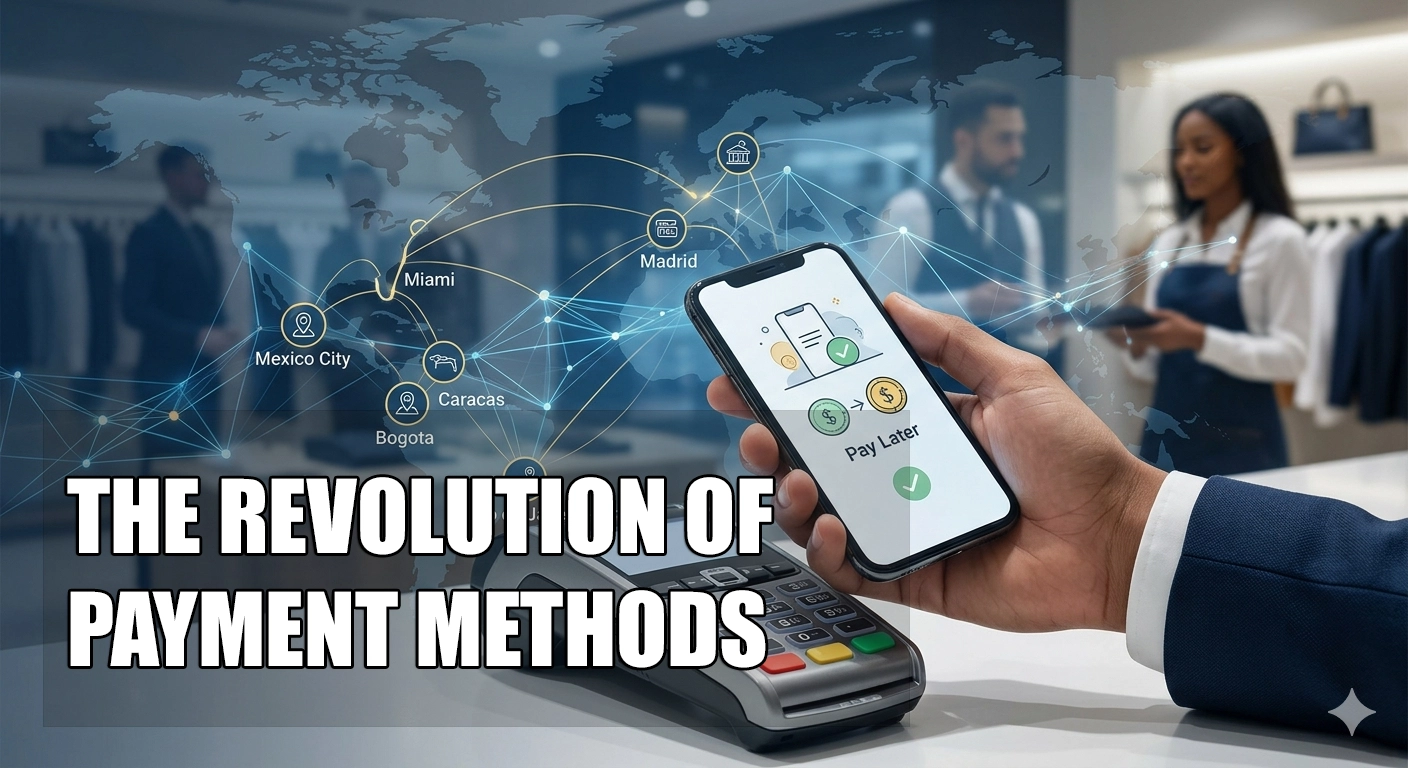
In 2026, the success of a retail strategy depends not only on product quality but on flexibility at the final click.
At StatMark Research, we observe that payment methods have evolved from a logistical necessity into a primary marketing tool for capturing the modern consumer and unbanked sectors.
Brazil: The “Gold Standard” of Interoperability Brazil has established itself as the undisputed leader in payment innovation. The evolution of its PIX system toward full “Open Finance” allows instant payment to be the norm. The “Guaranteed Pix” model—the Brazilian version of BNPL—enables installment payments without traditional credit cards, leveraging the Central Bank’s infrastructure. This expertise in reducing transactional friction is the benchmark that the rest of the region seeks to replicate.
Venezuela: The “Cashea Effect” and Spending Planning The Venezuelan market has served as a resilience laboratory for the BNPL (Buy Now, Pay Later) model. The success of platforms like Cashea has not only facilitated access to consumer goods; it has modified buyer behavior, allowing for spending planning that was previously non-existent. For retailers, this translates into a sustained increase in sales volume and higher customer recurrence.
Panorama in Latam and the Caribbean: The Democratization of Credit The phenomenon expands with local nuances:
- Colombia: Platforms like Addi have eliminated friction at the point of sale, enabling rapid purchasing decisions.
- Mexico: With Kueski Pay, the Mexican market is accelerating its digital trust in an environment where cash remains predominant.
- The Caribbean and Dominican Republic: The integration of mobile wallets is allowing proximity trade to accept global payments, connecting with consumer remittance trends.
Spain: Invisible and Installment Payments In Spain, the battle is fought on speed. Bizum is already the standard for value exchange, while solutions like Scalapay or Klarna dominate the fashion and technology sectors, offering a user experience where payment is practically invisible.
Insight for B2B Strategy: Integrating these mechanisms is no longer optional. Data analysis shows that offering installment payment options can increase conversion rates by up to 25%. The challenge for 2026 is interoperability: a platform’s ability to seamlessly process diverse local and international methods.
Conclusion: Payment is no longer the end of the funnel; it is the beginning of a loyalty relationship. Brands that facilitate access to well-being through technological credit are the ones winning the battle for Market Share in 2026.
